
Designing The Workshop @SCPL helped me think about how a makerspace does not have to be high-tech in order to be useful. My goal was to create a welcoming, affordable, and sustainable creative space specifically for older adults in the St. Charles Community. Instead of using up my budget on expensive technology, I wanted to design a space that encourages creativity and social connection while remaining accessible to patrons with varying levels of tech experience and physical abilities.
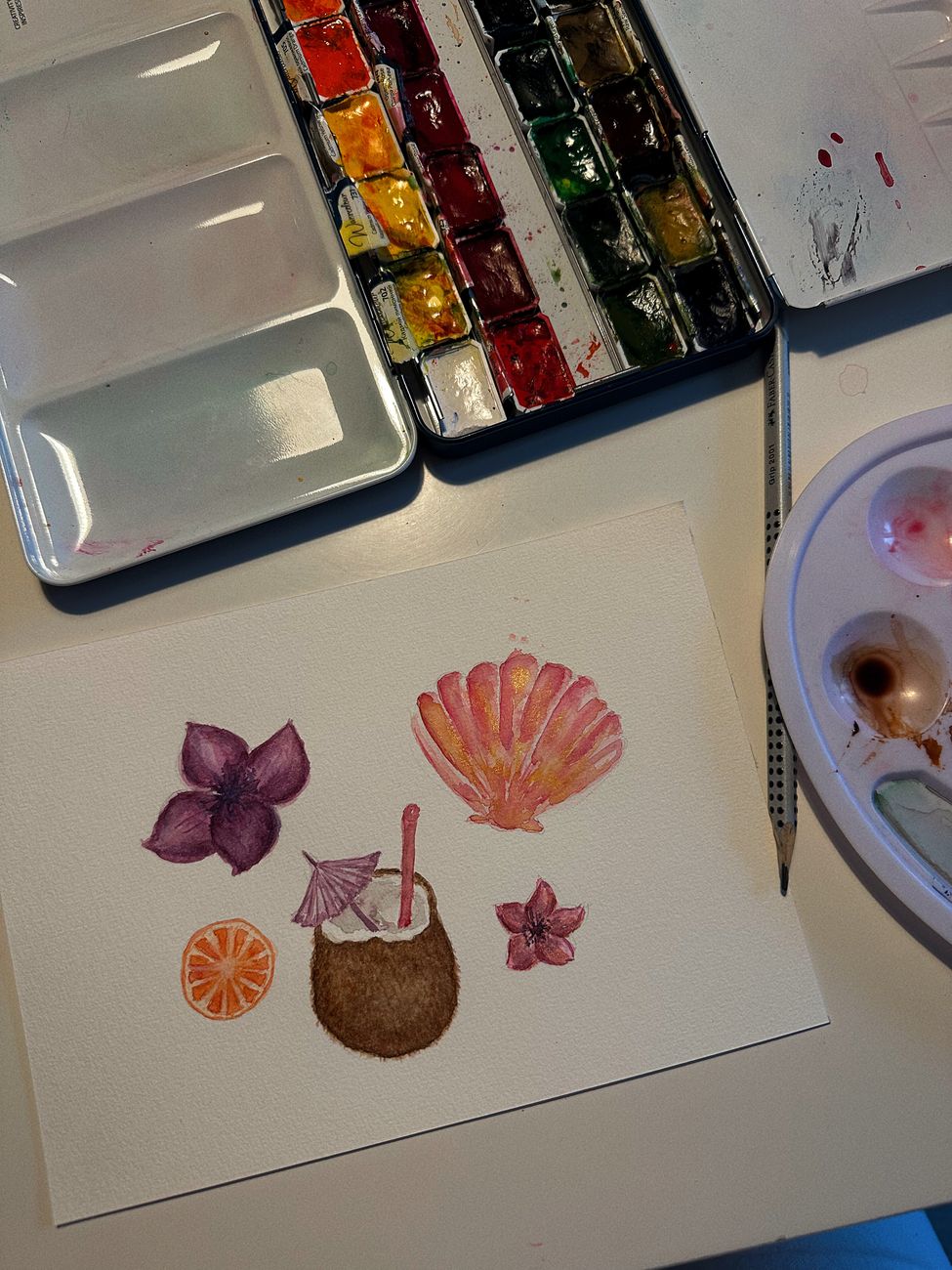
While I was selecting the equipment and supplies, I prioritized items that could be reused for many different programs or activities. I chose to invest in durable tools like paper trimmers, cutting mats, knitting needles, scanners and paper craft items. These items can support a variety of workshops throughout the year while keeping ongoing costs low. Consumable supplies like cardstock, yarn and glue can be replenished through future programming funds and are not high-cost items.
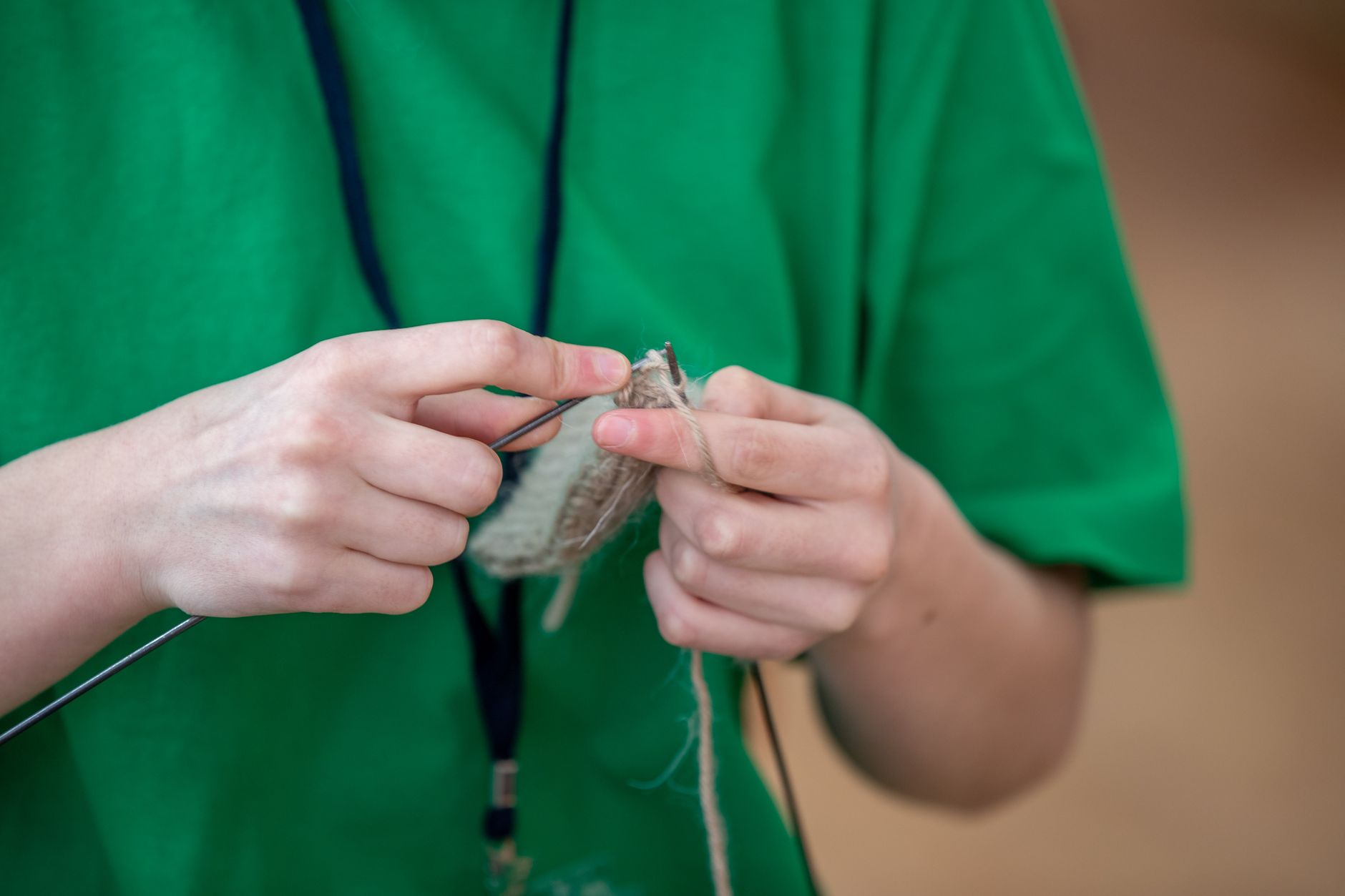
I intentionally chose a low-tech makerspace with a few technology components, like a photo scanner and computer, because I believe this approach best serves my target audience. Many older adults are interested in preserving family memories, learning new hobbies, and connecting with others over using the newest tech gadgets. Activities like scrapbooking, watercolor painting, fiber arts, card making and photo digitization promote creativity while encouraging conversation.
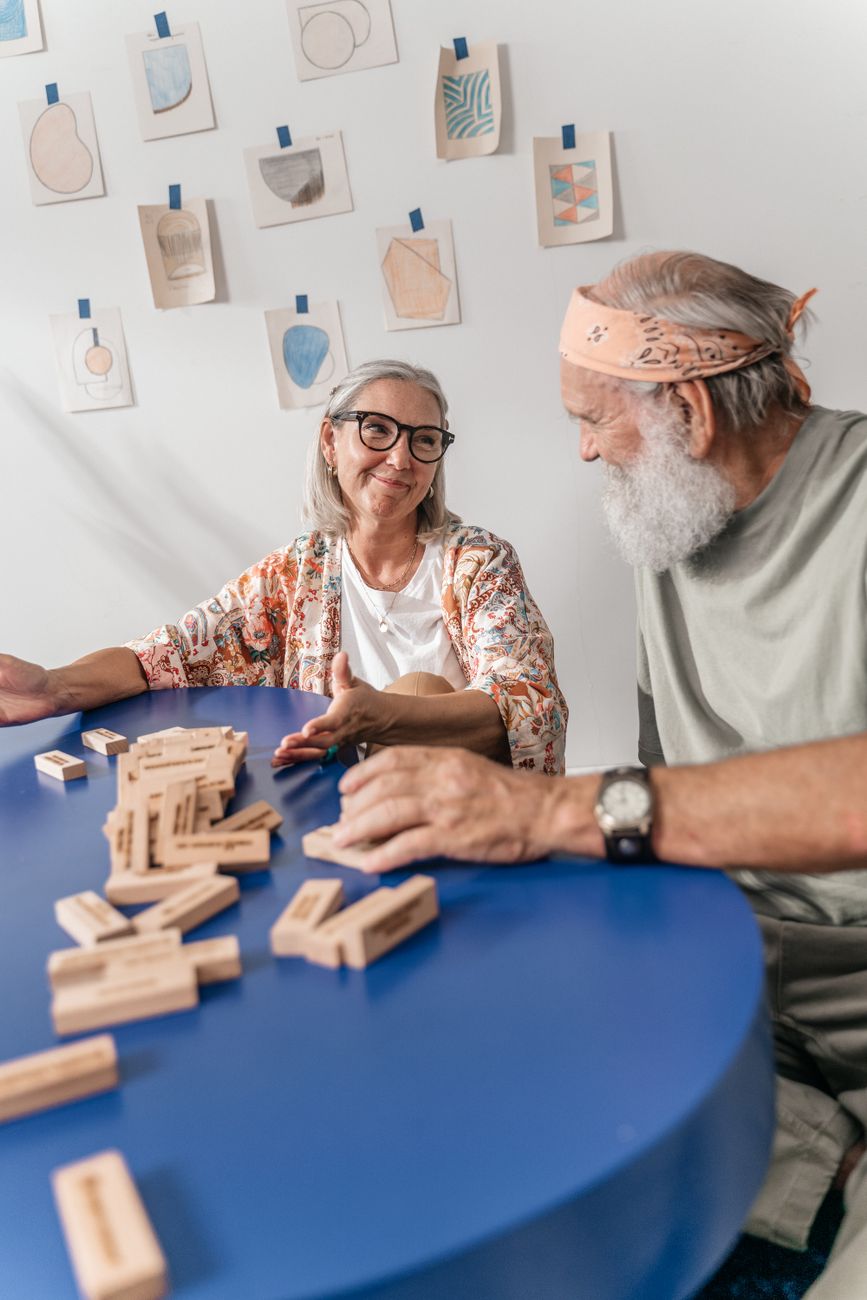
Another important part of my decision-making process was sustainability. With a budge of $3,000, I wanted every purchase to provide long-term value. I balanced quality with affordability and adjusted quantities until I reached the budget without sacrificing my overall vision. I also selected supplies that can be used across multiple programs instead of things that would only support one activity.
Ultimately, my purpose was to design a makerspace that reflects the mission of a public library, specifically in the support of adult services. This space would provide opportunities for learning, creativity and making connections. Our makerspace will not focus on expensive and new technology. It focuses on the community we serve and their needs for deep community connection and activities they are interested in taking part in.
One response to “Post 4: Makerspace”
-
Hi Kerri, I really like how you focused your makerspace on being a place for people to connect and be creative. Something I noticed when I was developing my own inventory was that so many libraries seem to focus on getting the best and shiniest toys when they’re starting their makerspaces instead of focusing on the user experience.
You and I both had some of the same considerations for a public library makerspace; using programming budgets to offset the cost of consumables and ensuring that everything purchased would maintain value in the long term. I also included rolling storage, knitting needles, crochet hooks, and a button maker in my makerspace inventory.
But the best part about reviewing your inventory was that there were so many things I had never even thought of before. In particular, the paper crafting equipment and aprons stood out as excellent additions; and I couldn’t believe that I hadn’t thought of including storage bins and baskets.
LikeLike


Leave a Reply